

















The Future of Sustainable Tourism with AI

Smart Sustainability Projects

From Smart Hotels to Sustainable Hotels

For 30 years Elektra has built software for more than 6,700 hotels on four continents. Next to profitability and guest satisfaction we add a third goal, sustainability: AI projects that learn from hotel data, anticipate needs and spot waste before it happens, creating more value with fewer resources.

Smart Sustainability Projects
  • Profitability
  • Guest satisfaction
  • Sustainability
  • Energy and water savings
  • Preventing food waste
  • Carbon measurement
  • TÜBİTAK-funded R&D
years of hotel technology
30
hotels use it
6,700+
continents
4
AI use cases
12
01

Smart Energy Management

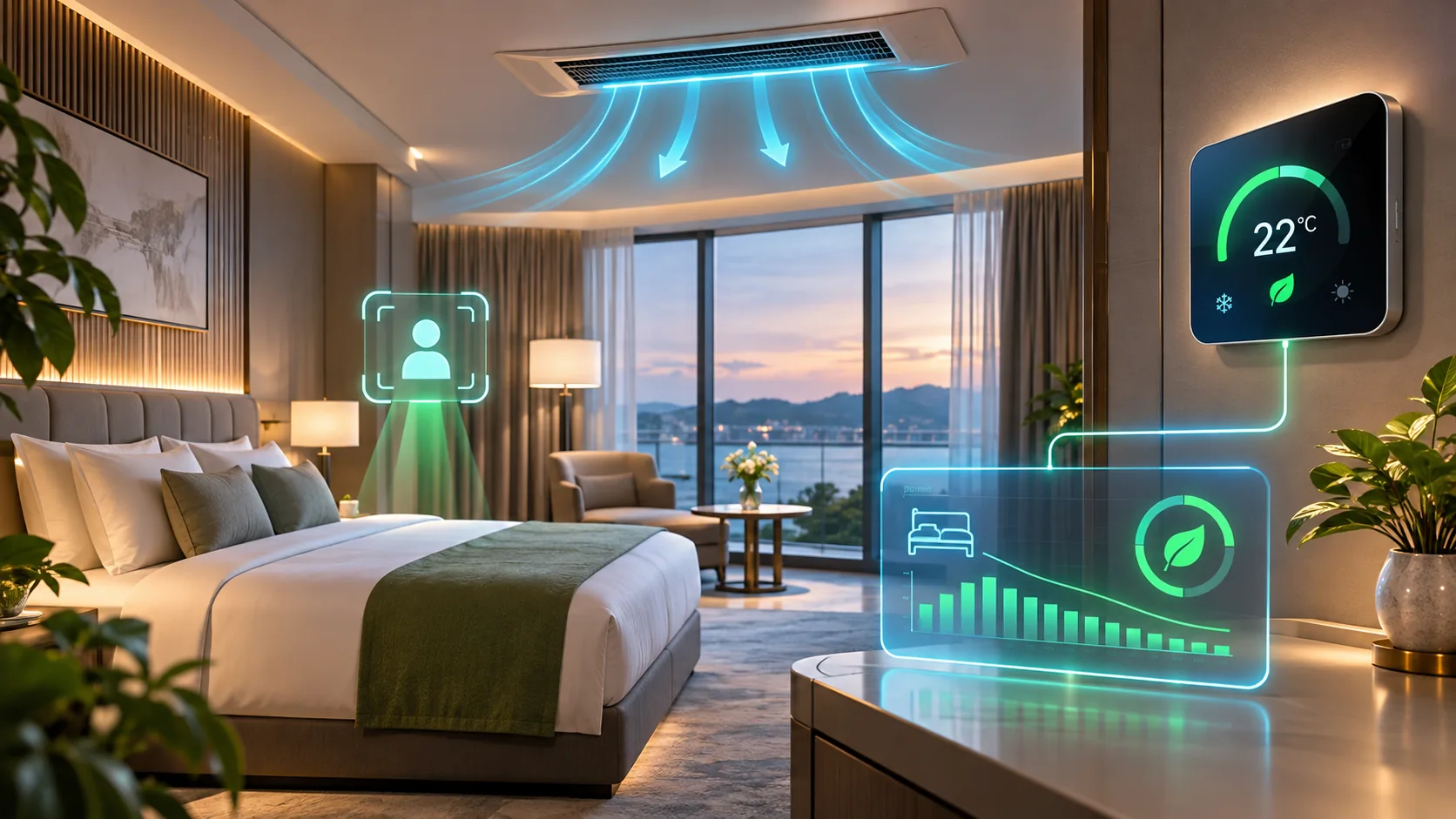
Energy is one of a hotel’s largest costs. The project analyses reservations, occupancy, weather forecasts and guest habits to predict which area needs heating or cooling, when and how much.

  • The room is at the ideal temperature when the guest walks in
  • No wasted energy in empty rooms
  • Lower energy costs, less carbon, the same comfort
02

Smart Water Use and Leak Detection

In tourist regions facing drought, water is the most precious resource. Meter data and past consumption are monitored continuously, so unusual use is noticed at once.

  • Water still running at night in an unused area is reported to technical service as a possible leak
  • Irrigation is optimised by weather and soil moisture
  • Lower water bills and protected water resources
03

Preventing Food Waste

Reservations hold valuable data: how many guests arrive, where they come from, their age groups, past food consumption and even the weather. AI uses it to forecast the next day’s production.

  • How many eggs for breakfast, how much meat for lunch and how much of each dish for the dinner buffet
  • Smart cameras and scales show which dishes are wasted most
  • Variety and quality stay, while food cost and waste drop
04

Sustainable Housekeeping and Laundry

Hotels wash thousands of towels, sheets and textiles every day. Departing and dirty rooms, guests’ linen-change preferences and laundry capacity are analysed together to build an efficient work plan.

  • Fewer unnecessary linen changes
  • Machines run at the right load and staff are routed efficiently
  • Less water, energy and chemicals
05

Predictive Equipment Maintenance

Air handlers, pumps, boilers and chillers run around the clock. Temperature, vibration, run time and power draw are monitored to detect faults and performance loss in advance.

  • A chiller drawing more power than normal is flagged for maintenance before it breaks down
  • Breakdowns are prevented and equipment lasts longer
  • Less wasted energy
06

Sustainable Purchasing and Stock

Hotels buy hundreds of products every day. Occupancy forecasts, past consumption, stock levels and expiry dates are analysed to recommend how much of each product to buy.

  • Local producers and eco-friendly, certified products are compared
  • Supplier prices, delivery terms and the carbon impact of logistics are weighed together
  • Less stock loss, lower cost and a more sustainable supply chain
07

Automatic Carbon Accounting and Reporting

Sustainability is a management duty that must be measured, documented and reported. Electricity, water, fuel, waste and purchasing data are combined to calculate the carbon and water footprint.

  • Anomalies in consumption are detected
  • Progress towards targets is tracked
  • Sustainability turns from a yearly report into a process managed every day
08

AI-Powered Guest Engagement

A sustainable hotel needs its guests on board too. Digital guest assistants talk to guests in their own language and make eco-friendly choices easy.

  • Towel changes become optional
  • Public transport and sustainable activities are suggested
  • Digital menus cut paper; sustainability enriches the guest experience
09

Carbon Footprint Offsetting

The energy, water and services used during a stay create carbon emissions. In Elektra’s carbon approach, emissions are calculated from stay data and guests can contribute to verifiable climate projects.

  • A certificate or traceable link is issued in the guest’s name
  • Guests can review the project they support
  • The priority is always reducing emissions at source; offsetting is the complementary step
10

Sustainable Cloud Infrastructure

Sustainability starts in the software infrastructure too. Instead of every hotel running its own servers and backup devices, many hotels share a scalable cloud infrastructure.

  • AI-based capacity planning removes idle computing
  • Efficient data centre management lowers energy use
  • A more economical, accessible digital infrastructure with a smaller environmental impact
11

Reservation, Occupancy and Revenue Optimisation

A wrong occupancy forecast costs more than revenue: it wastes energy, staff time, cleaning and food. Past bookings, cancellation probabilities, seasonality and demand shifts are analysed to forecast occupancy more accurately.

  • Energy, cleaning and restaurant planning follow real demand
  • Revenue grows while resource use per guest falls
12

Sustainability-Focused Reputation Management

Guests now judge a hotel by its environmental care as well. Reviews, surveys and feedback are analysed to see which sustainability practices guests like and which ones bother them.

  • Public reviews of competitors reveal the environmental expectations in the sector
  • Sustainability strengthens guest loyalty and brand reputation
13

The TÜBİTAK-Funded TURCAMAP Project

Beyond individual smart systems, the goal is to run the hotel as a single intelligent organism. Rising water use may come from occupancy, laundry, the pool, the kitchen or a technical fault; food waste may stem from booking forecasts or purchase planning.

With TURCAMAP, a TÜBİTAK-funded R&D project run with academics, Elektra is developing an AI platform that monitors the carbon footprint and resource use of the hotel ecosystem, detects anomalies, analyses their causes and recommends measures.

Through international academic and industry partnerships, the work is to grow into a European Union project.

14

A System That Prevents, Not Just Reports

A traditional system only says “Your electricity use rose this month.” A proactive system also explains why — a change in climate settings, a heatwave or longer night operations — and which measures will bring it down.

Within safe limits, some measures are meant to be applied by the system automatically. With comparable data from many hotels the models will improve over time, and an efficiency approach learned in one hotel will benefit others.

  • Measure → track consumption and carbon continuously
  • Understand → find the cause of anomalies
  • Predict → see needs in advance
  • Prevent → stop waste before it happens

The content of this page is taken from Kemal Oral’s talk at COP31.

Report to Us